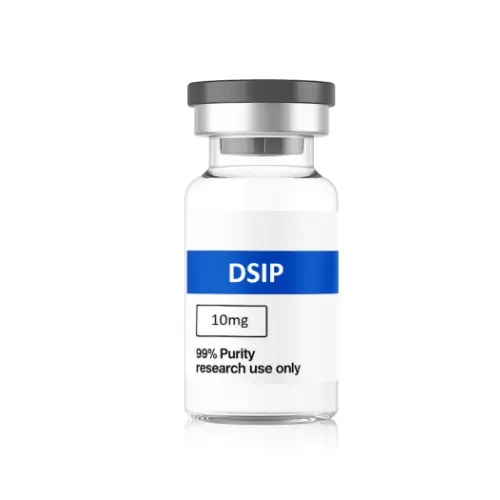
Delta Sleep-Inducing Peptide (DSIP), also known as emideltide, is a naturally occurring neuropeptide consisting of nine amino acids. It was originally investigated for its possible role in sleep regulation, particularly slow-wave or delta sleep. Research has also explored potential effects on stress responses, pain perception, neuroendocrine activity, and circadian rhythms. However, despite its name and extensive historical research, the evidence supporting DSIP as a reliable sleep treatment remains limited and inconsistent.
Key Points
Full name: Delta Sleep-Inducing Peptide
Abbreviation: DSIP
Alternative name: Emideltide
Peptide type: Endogenous neuropeptide
Amino-acid length: 9 amino acids (nonapeptide)
Primary research area: Sleep and sleep–wake regulation
Proposed effects: May influence slow-wave sleep, circadian activity, stress responses, and neuroendocrine processes.
Research status: Investigational; it does not have an established approved therapeutic indication.
Evidence level: Human and animal studies have produced mixed results, and the proposed role of DSIP as a physiological sleep factor remains unresolved.
Clinical use: Not established as a standard treatment for insomnia or other sleep disorders.
Safety: Robust long-term safety data for therapeutic use are lacking.
Specifications
Generic name: Delta Sleep-Inducing Peptide
Chemical name: H-Trp-Ala-Gly-Gly-Asp-Ala-Ser-Gly-Glu-OH
Sequence:WAGGDASGE
Molecular formula:C₃₅H₄₈N₁₀O₁₅
Molecular weight: Approximately 848.8 g/mol
CAS number:62568-57-4
Chemical class: Peptide/neuropeptide
Molecular size: Nonapeptide
Natural occurrence: Reported in nervous tissue, peripheral organs, and plasma.
Route/dose: No universally established therapeutic dose or approved dosing regimen exists.
Important: DSIP is best described as an experimental peptide rather than an established sleep medication. Claims that it reliably improves sleep, recovery, anxiety, pain, or other conditions should be interpreted cautiously because clinical evidence remains insufficient.